DEAD SEA TRAVEL MAKER · VISITOR GUIDE
Dead Sea national parks & nature reserves: choose your day
Palaces above the desert, an oasis on the escarpment, ancient ruins and freshwater springs. Choose the experience that interests you, then check the route and access for your date.
By Oleg Shlomovitch · Sources checked 17 October 2026
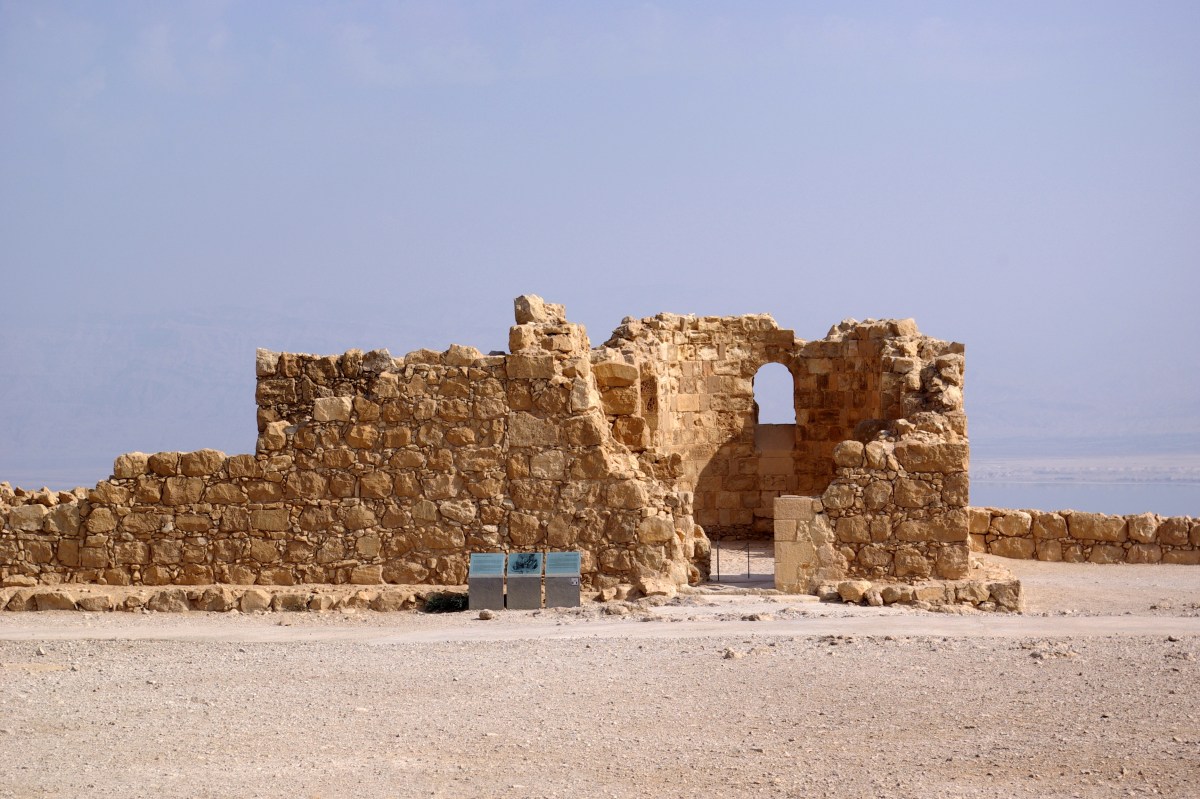
A regional list can make places look interchangeable. They are not: a heritage visit, a freshwater pool and a canyon walk need different planning. Start with one main experience, especially with children or people who prefer less walking.
Choose by experience
- Masada National Park: Herod’s palace-fortress, archaeology and desert views.
- Ein Gedi Nature Reserve: an oasis, wildlife and walking routes whose current access must be checked individually.
- Qumran National Park: archaeology connected with the story of the Dead Sea Scrolls.
- Enot Tsukim Nature Reserve: freshwater springs and visitor facilities; not a Dead Sea bathing beach.
Jump to: Masada · Ein Gedi · Qumran · Enot Tsukim
Masada: look beyond the panorama
Masada rewards visitors who want to understand how people built and lived in this desert setting. Herod’s palaces and the site’s later history give the ruins their context. My guiding focuses on history and archaeology, including mosaics, the synagogue and water systems.
From the Dead Sea hotel area, I normally use the eastern entrance. A cable-car visit and a walking ascent are different plans: agree your approach and walking preferences before booking. The western entrance is a separate approach, not a shortcut through the visitor centre.
Before you go: check reservations, cable-car arrangements, weather notices and closed areas on the official Masada page.
See the private Masada and Ein Gedi day →
Ein Gedi: choose an open route that suits you
Ein Gedi offers an oasis landscape with walking and wildlife interests, but the name alone does not describe the effort required. At our source check, the Parks Authority reported flood-related changes and restoration work, with particular routes intended for experienced hikers.
Do not assume an older waterfall photograph means that route is open or suitable for your family. Check the exact trail, registration requirements and last entry. Tell me about stairs, uneven ground and the walking time that feels comfortable.
The ancient synagogue, kibbutz and botanical gardens are different visits from a reserve hike. We can discuss cultural stops rather than automatically adding a demanding walk.
Check Ein Gedi’s current official route notices → · Explore Ein Gedi outing options →
Qumran: a focused archaeology stop
Qumran connects the northern Dead Sea landscape with the story of the scrolls discovered in nearby caves. The visitor site offers archaeological remains and interpretation, rather than a swim or waterfall walk.
The Parks Authority lists an accessible archaeological trail, museum display, film and observation points. Ask about the particular facilities you need; an accessible route does not mean every nearby path is suitable.
Planning fit: consider it alongside a northern Dead Sea or desert heritage itinerary. Confirm admission and visitor-centre arrangements on the official Qumran page.
Enot Tsukim: freshwater, with a crucial distinction
Also known as Ein Feshkha, Enot Tsukim is a spring-fed nature reserve on the northern Dead Sea coast. The official page lists picnic facilities, pools and an accessible splash pool.
There is no access to the Dead Sea from the reserve. A visit here should not be sold as a place to float in the salty lake. Pool opening arrangements differ, and Tamar Pool operates only with a lifeguard present.
Confirm the particular pool, accessibility needs and any guided or restricted-area arrangements on the official Enot Tsukim page before travelling.
Build a day around one main experience
- A history-focused local day: Masada, with Ein Gedi cultural or nature stops chosen around your party and current access.
- A northern heritage day: discuss Qumran alongside the other desert holy sites that interest you.
- A family stay: leave room for your hotel and beach instead of turning every day into a checklist.
These are planning ideas, not promises that every combination is available on every date. Driving, opening times, weather and your walking pace decide what fits.
Explore the desert holy-sites tour → · Plan a Dead Sea family stay →
Check before leaving
- Use the Parks Authority’s current site page for reservations, fees, last entry and route notices.
- Confirm the exact entrance in your navigation, especially at Masada.
- Tell your guide about walking ability and access needs before selecting a route.
- Check weather and official warnings. When flooding is forecast or likely, do not enter or cross wadi beds.
- Use permitted paths and follow ranger instructions. A general guide cannot override a closure.
Keep park admission, cable-car tickets and other extras separate from the guiding quotation unless explicitly included.
Choose places that mean something to you.
I’m Oleg Shlomovitch, a licensed guide based in the Dead Sea region. Tell me your hotel, dates, interests and walking preferences, and we’ll shape your private day.
Sources and practical updates
- Israel Nature and Parks Authority: Masada
- Israel Nature and Parks Authority: Ein Gedi
- Israel Nature and Parks Authority: Qumran
- Israel Nature and Parks Authority: Enot Tsukim
Sources checked 17 October 2026. Opening arrangements, access and visitor instructions can change. Confirm current information with the operator before travelling.


